Why is brutalism back?
Concrete buildings once demolished as "ugly" are in demand again. The reason is not nostalgia, but honesty, durability and maintenance cost.
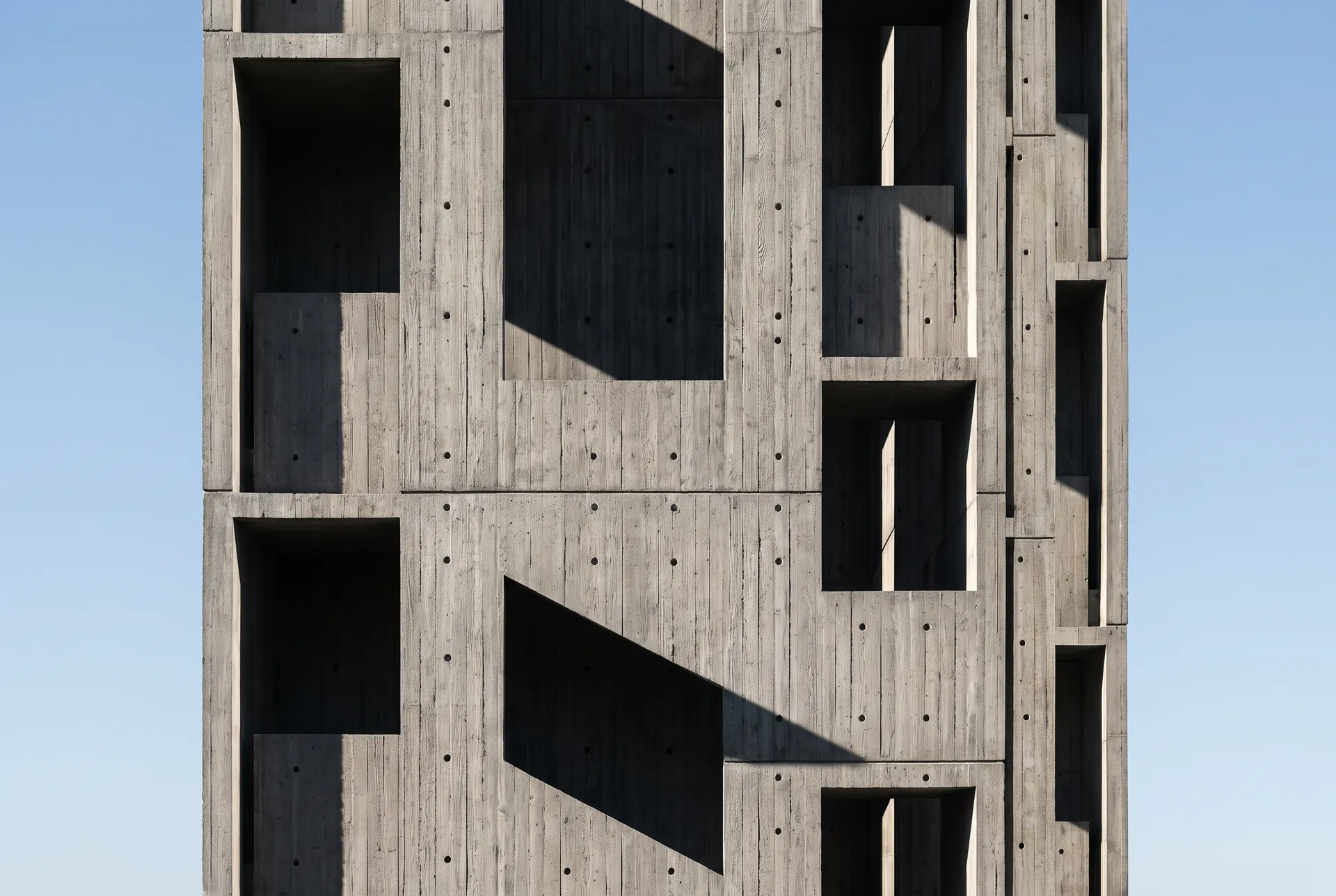
Many brutalist buildings of the 1960s and 70s were demolished or painted over in the 1990s, seen as cold and hostile. Today the same buildings are being listed, and young architects are following in their footsteps. There are three reasons for this shift.
1. Honesty
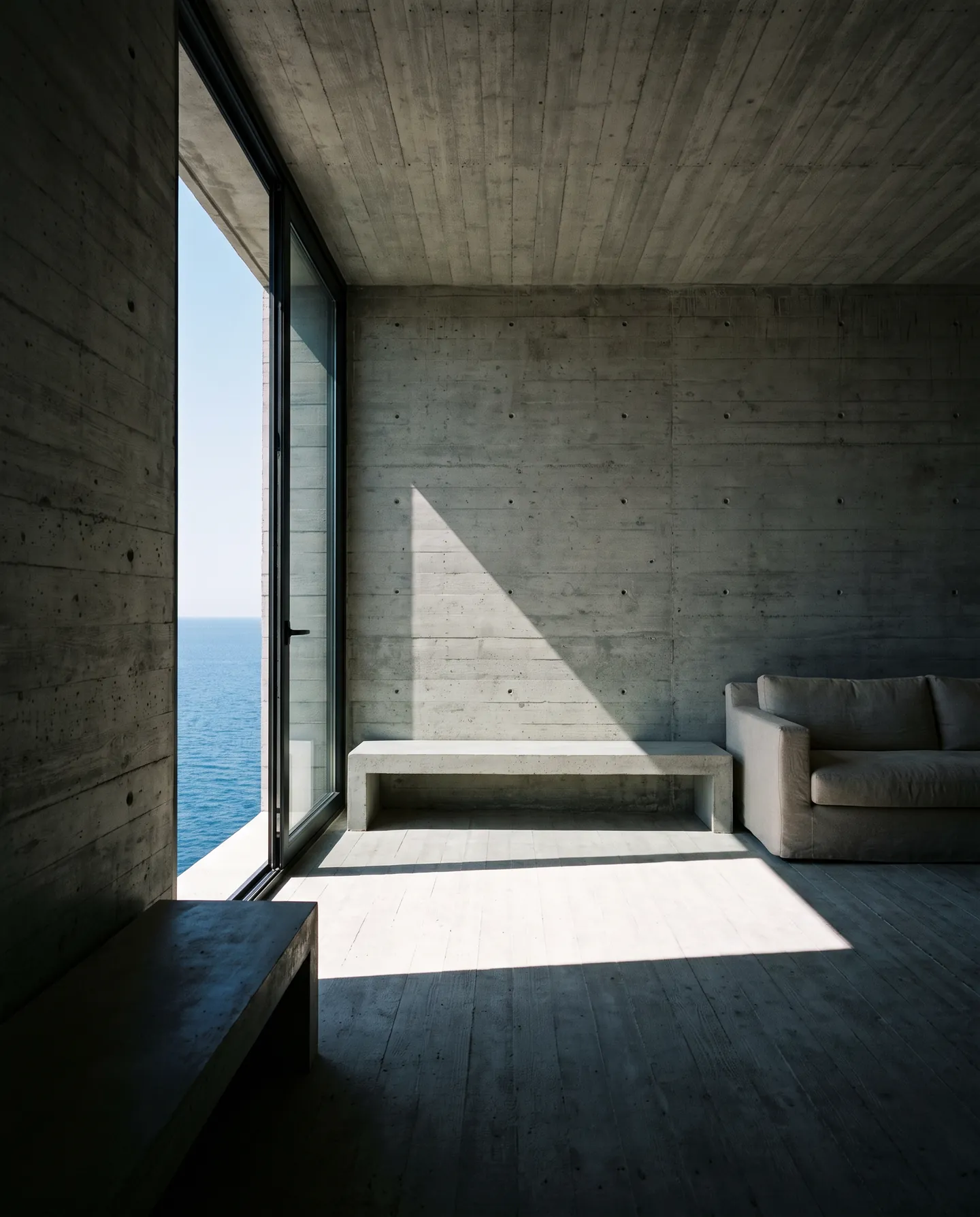
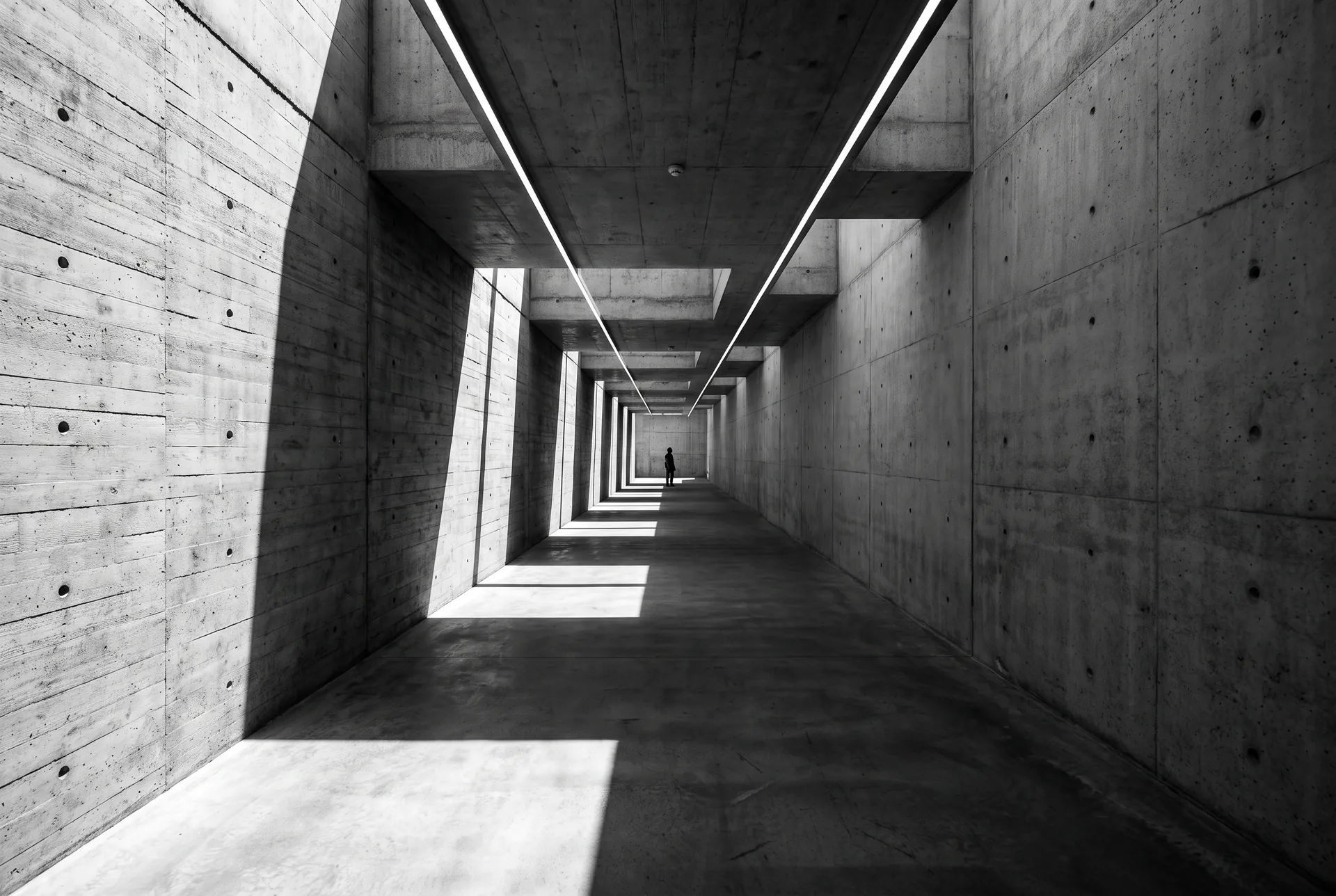
Fair-faced concrete does not hide how a building was made. The imprint of the formwork boards, tie holes and pour joints remain on the surface. Next to facades hidden behind cladding that needs renewing every few years, this honesty has regained its value.
2. Durability
A well-designed and well-poured concrete surface lasts for decades without paint or cladding. Looking at life-cycle cost, fair-faced concrete, which can look slightly more expensive on day one, is often the most economical choice.
3. Mass and climate
Thick concrete walls store heat by day and release it at night. In Türkiye’s hot summers this thermal mass significantly reduces cooling loads. At Raw Museum it saved half of the energy demand.
But beware
Fair-faced concrete is unforgiving. Formwork quality, mix and pour sequence show on the surface exactly as they are. That is why we build our fair-faced concrete buildings ourselves and make a sample panel on site before every pour.